
Best Grooming Schedule For Older Dogs To Support Comfort and Health

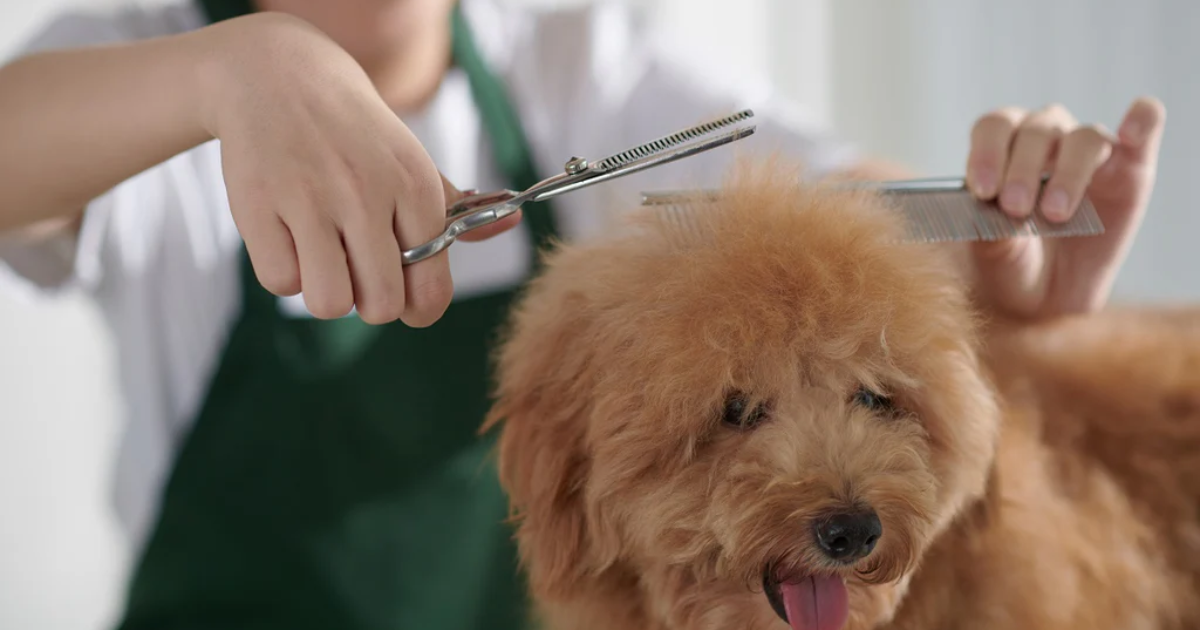
As dogs age, their needs change. Senior pets often require more attentive grooming routines to stay comfortable. Many owners look for the best grooming schedule for older dogs because aging coats, skin sensitivity, and mobility challenges demand adjustments.
Older dogs may move more slowly, develop arthritis, or experience thinner skin. Grooming must become gentler and more consistent to support their quality of life.
Why Seniors Need More Frequent Care
Senior dogs often shed differently and may struggle to groom themselves. Nails may grow thicker. Skin can become dry. Mats may form faster if brushing is neglected.
The best grooming schedule for older dogs typically involves shorter intervals between sessions. Instead of every eight weeks, many seniors benefit from grooming every four to six weeks. Frequent sessions prevent buildup and reduce discomfort from overgrown nails or tangled coats.
Nail Care Is Critical
Long nails alter posture and worsen joint pain. For older dogs with arthritis, nail length has a direct impact on walking comfort.
Trimming nails every three to four weeks supports proper alignment. Regular maintenance reduces pressure on aging joints.
Coat Maintenance and Skin Sensitivity
Senior dogs may develop thinner coats or dry patches. Harsh shampoos should be avoided. Gentle products designed for sensitive skin are ideal.
Brushing keeps circulation active and distributes natural oils. Even short-haired seniors benefit from weekly brushing.
The best grooming schedule for older dogs considers skin condition alongside coat length.
Shorter, Calmer Sessions
Long grooming appointments can be exhausting for senior pets. Shorter, focused sessions reduce stress.
Professional groomers experienced with aging dogs adjust pace and handling. At Adogable Pet Services, we emphasize patient, steady care for seniors to ensure comfort throughout the appointment.
Monitor for Health Changes
Grooming sessions provide an opportunity to check for lumps, skin changes, or mobility issues. Early detection allows timely veterinary consultation.
Owners researching the best grooming schedule for older dogs often appreciate that grooming becomes part of preventive health care.
Ear and Dental Hygiene
Older dogs are more prone to ear infections and dental buildup. Incorporating ear cleaning and routine dental care into the grooming schedule prevents complications.
Consistent maintenance reduces bad breath and discomfort.
Adjust Based on Lifestyle
Active seniors may need more frequent bathing. Less active pets may only require coat brushing and nail care between full sessions.
The best grooming schedule for older dogs is not one-size-fits-all. It adapts to coat type, health status, and activity level.
Comfort First, Appearance Second
For senior pets, comfort matters more than styling. The goal is mobility, hygiene, and skin health rather than aesthetic trends.
Regular grooming reduces itching, prevents matting, and improves overall well-being.
Supporting Aging With Consistency
Aging does not mean grooming becomes less important. In many cases, it becomes more essential.
Creating the best grooming schedule for older dogs ensures they remain comfortable and confident as they grow older. With gentle handling, shorter intervals, and thoughtful adjustments, grooming supports health and dignity throughout your dog’s senior years.
