
How Often Should Get Professional Grooming For a Healthy Coat and Skin

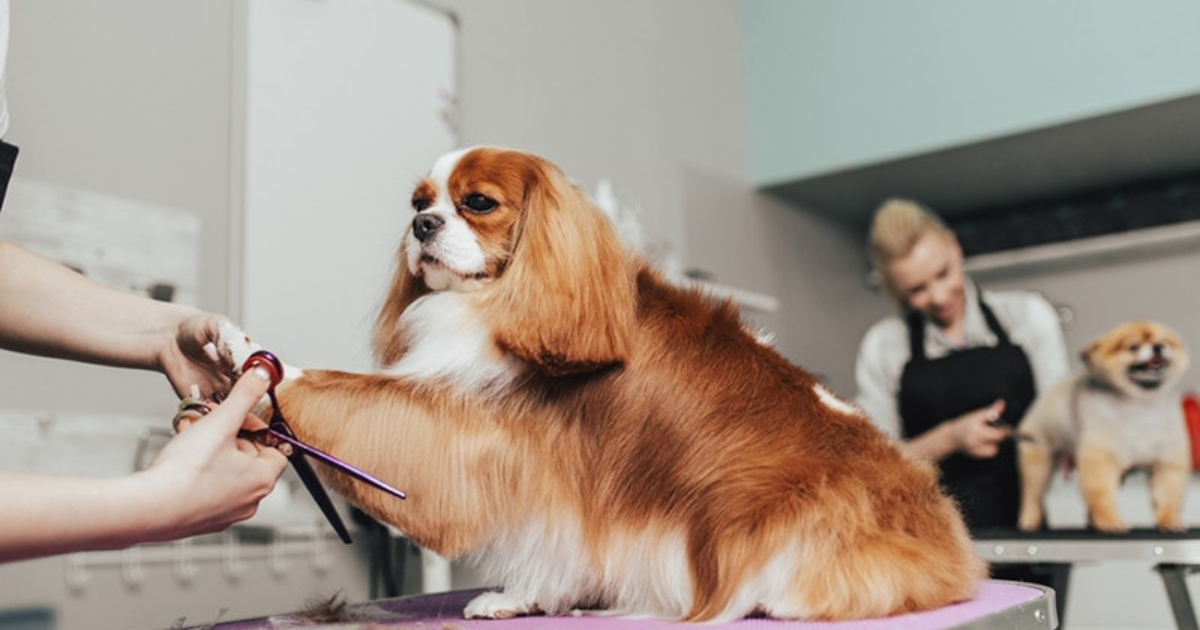
If you have ever questioned how often dogs should get professional grooming, you are not alone. Many pet owners want to maintain their dog’s hygiene without overdoing it. Grooming is not just about appearance. It plays a direct role in coat health, skin condition, and overall comfort.
The right grooming schedule depends on your dog’s coat type, daily activity, and age. There is no single answer that works for every pet, but understanding the key factors helps you build a routine that keeps your dog clean, comfortable, and healthy.
Why Grooming Frequency Matters
Regular grooming prevents common problems such as matting, excessive shedding, ear buildup, and overgrown nails. When grooming is delayed, these issues can develop quickly and lead to discomfort or even health concerns.
At the same time, grooming too frequently, especially bathing, can strip natural oils from the skin. The goal is to maintain a consistent routine that supports coat balance rather than disrupts it. Understanding how often dogs should get professional grooming starts with finding that balance.
Grooming Frequency Based on Coat Type
Coat type is the biggest factor in determining how often your dog should be groomed.
Short-Coated Dogs
Dogs with short coats generally require professional grooming every 6 to 8 weeks. While their fur does not tangle easily, they still need nail trimming, ear cleaning, and occasional bathing.
Medium Coated Dogs
Dogs with medium-length coats benefit from grooming every 4 to 6 weeks. Their fur can begin to tangle if not maintained regularly, especially around high-friction areas.
Long Haired Dogs
Long-haired breeds require the most frequent grooming, usually every 3 to 5 weeks. Regular trimming and brushing prevent matting and keep the coat manageable.
This breakdown provides a clear starting point when considering how often dogs should get professional grooming.
Lifestyle and Activity Level
Dogs that spend more time outdoors tend to get dirtier faster. Exposure to mud, water, and debris increases the need for more frequent grooming.
Indoor dogs may require less frequent baths, but still need regular maintenance such as nail trimming and ear cleaning.
Adjusting the grooming schedule based on your dog’s daily activity ensures that their coat stays clean without unnecessary washing.
Age and Health Considerations
Puppies are usually introduced to grooming with shorter and simpler sessions. This helps them get used to the process gradually.
Senior dogs often need more frequent grooming to stay comfortable. Overgrown nails can affect their posture, and unmaintained coats can lead to matting.
At Adogable Pet Services, we often recommend adjusted grooming schedules for older dogs to support mobility and comfort.
Signs Your Dog Needs Grooming Sooner
Even with a set schedule, your dog may show signs that grooming is needed earlier. These include:
- Nails are making clicking sounds on hard floors
- Tangled or matted fur
- Noticeable odor
- Excess shedding
- Dirty ears or visible buildup
These signs indicate that waiting longer could lead to discomfort or hygiene issues.
The Importance of Consistency
Instead of guessing how often dogs should get professional grooming, it is better to establish a consistent routine. Regular appointments prevent issues before they start and make grooming easier for your dog over time. Dogs that follow a routine become more comfortable with the process, reducing anxiety during appointments.
Professional Grooming vs. At-Home Maintenance
At-home care, such as brushing and basic cleaning, is important, but it does not replace professional grooming. Groomers use specialized tools and techniques to safely trim nails, manage coats, and clean areas that are difficult to maintain at home. A combination of regular home care and professional grooming provides the best results.
Final Note
Knowing how often dogs should get professional grooming helps you create a routine that supports your dog’s comfort, hygiene, and overall health. By considering coat type, lifestyle, and age, you can maintain a schedule that keeps your dog looking and feeling their best without overdoing it. Consistency is the key to long-term coat health and a stress-free grooming experience.
